Benjamin Robert Siegel

Marketsof Pain

Opium, Capitalism, and the Global History of Painkillers

01 / 24

Oxford University Press, 2026

About the Book

Markets of Pain offers a sweeping history of the business of licit opium—following cultivators, merchants, scientists, and policymakers—and shows how this potent crop reshaped global trade, medicine, and geopolitics.

For centuries, opium has been a source of both profit and peril, its legacy entangled with addiction, imperialism, and the complex interplay of global trade and national development. While the illicit opium trade is infamous, the history of licit opium—how it was farmed, refined, and used to build modern medicine and shape state power—has remained largely untold.

Drawing on archival sources from Asia, Europe, and the United States, Markets of Pain traces the global arc of licit opium from poppy fields and processing plants in India, Turkey, and Australia to the clinics and laboratories of modern medicine. It shows how both the Ottoman Empire and the Turkish Republic treated the opium poppy as a national resource and a means of securing global stature. In postcolonial India, by contrast, nationalist leaders initially rejected opium's imperial legacy before embracing its strategic value amid the shifting currents of the Cold War.

At the heart of this story are the cultivators, scientists, bureaucrats, and policymakers who shaped the licit opium trade and grappled with its far-reaching consequences. Their work and visions demonstrate how colonial empires and postcolonial states helped forge the global pharmaceutical industry as it struggled to govern a drug it could not abandon.

Markets of Pain reveals how a seemingly marginal crop became an unlikely engine of modernization, a tool of Cold War geopolitics, and a harbinger of today's global opioid crisis. Blending vivid scenes from opium's fields and factories with incisive analysis of scientific and diplomatic archives, Benjamin Robert Siegel recovers a buried history with urgent relevance for global supply chains, international power, and public health.
Advance Praise

Praise for Markets of Pain

"Siegel turns opium history, a story dominated by prohibitionists and traffickers, into a parable of creative destruction. He shows how a peasant crop that sustained empires devolved into a 'zombie commodity' struggling to survive in a world transformed by capitalism and novel technologies. One puts this original, ambitious, and often surprising book down thinking about much more than opium."

David T. Courtwright, author of Forces of Habit: Drugs and the Making of the Modern World

"With a fresh analysis of opium as a global agricultural commodity rather than as a moral object, Markets of Pain reveals how the age of empires lastingly shaped a political economy that delivered too many opioids to some, and not enough to others."

David Herzberg, author of White Market Drugs: Big Pharma and the Hidden History of Addiction in America

"From poppy fields to pharmaceutical labs, Siegel's ambitious book shows us how marginalized opium-producing peasants were not just tethered to but were foundational to the modern global pharmaceutical industry. Going beyond pharmaceutical boardrooms and the crisis ravaging American streets, Markets of Pain introduces us to a different drug supply chain. This book is essential reading to understand how the centuries-old, insatiable demand for opium and its derivatives has a longer and broader history."

Gabriela Soto Laveaga, Harvard University

Benjamin Robert Siegel

About the Author

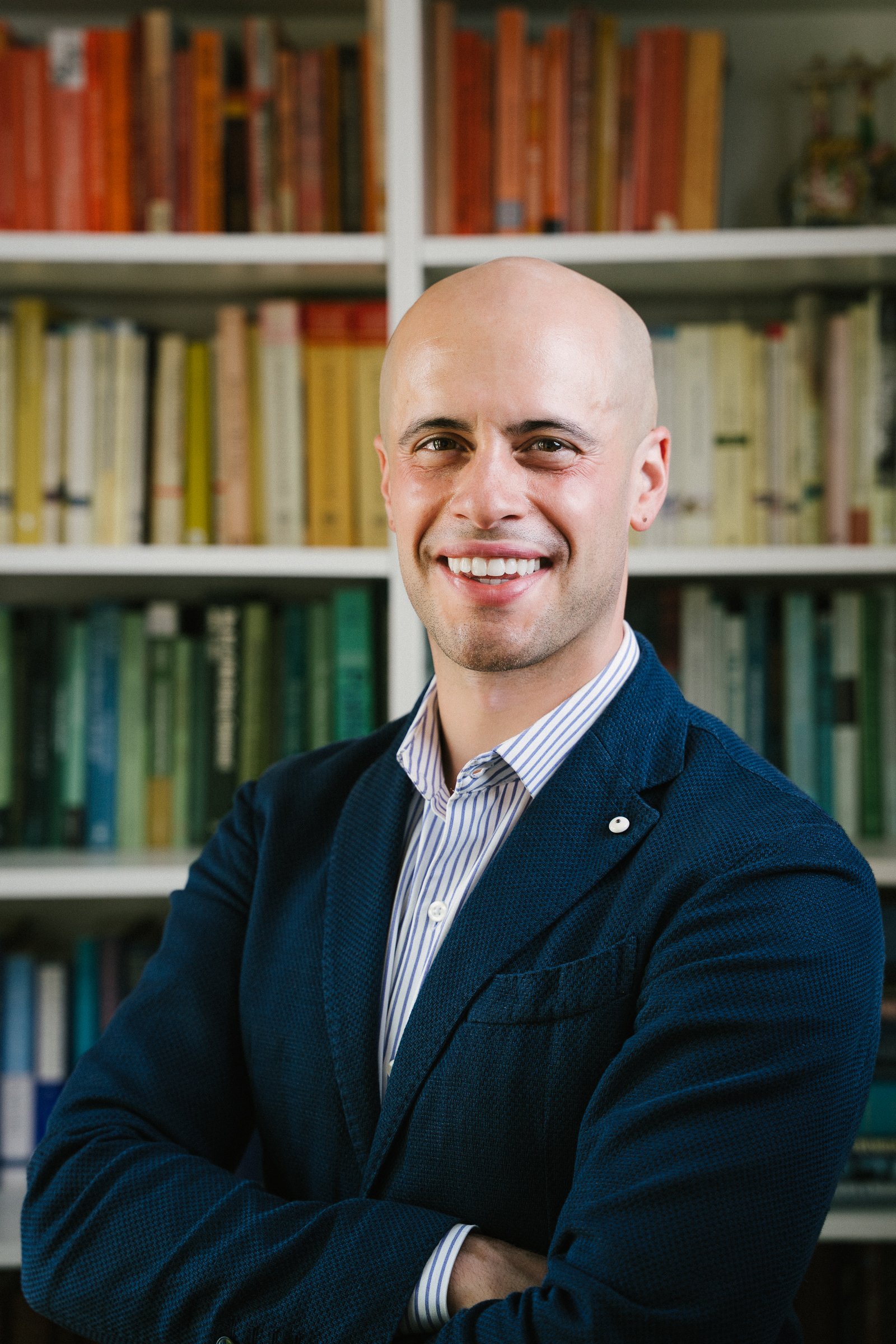
Benjamin Siegel is a writer and historian who uncovers how the things we consume—food, drugs, and other global commodities—have shaped modern life, from the power of states to the choices on our dinner plates. His work follows the systems behind agriculture, industry, and global trade to explain how empires ended, how markets were built, and how our most basic needs became global industries.

Across two decades of reporting and historical research, he has built a career tracing how global systems reshape the most intimate parts of human life. His first book, Hungry Nation: Food, Famine, and the Making of Modern India (Cambridge University Press, 2018), revealed how food lay at the heart of India's postcolonial nation-building project. He is now writing a global history of protein—how we produced and came to believe we need more of it, and the far-reaching consequences for our bodies, our politics, and our planet.

Benjamin Siegel is associate professor of history at Boston University.

Connect

Speaking & Events

Event dates for Spring 2026 coming soon.

For speaking inquiries, please get in touch.

Media & Instructors

Press materials including author photos and book description are available for journalists and event organizers.

Examination copies for course adoption available through Oxford University Press.

Press Kit

Stay Updated

Be the first to know when the book is available.

Get updates via email

Available Spring 2026

Order Your Copy

Publisher

Oxford University Press

Publication

Spring 2026

ISBN

978-0-19-752782-5